If buyers decide in seconds, what will they notice first about your home? In Williamson County, where prices sit well above national averages and buyers have more choices than a few years ago, smart preparation can make all the difference. You want a clear plan that respects your time, budget, and goals while helping your home shine online and in person. In this guide, you will get a practical, design-forward roadmap to get market-ready with the updates that matter most.
Let’s dive in.
Why presentation matters in Williamson County
Williamson County sits in a premium price band, with typical values in the high six figures to low seven figures according to recent market snapshots. In 2025 and 2026, the market moved closer to balanced conditions compared with the pandemic peak. That shift means buyers have a bit more leverage, and your home’s presentation, pricing, and marketing matter more than ever.
Local buyers often prioritize commute access, flexible space, outdoor living, and move-in-ready condition. Many families evaluate public school options, which are frequently cited as a demand driver in the county. A local news report found Williamson County Schools ranked among the top districts in Tennessee, which helps explain why well-presented homes here draw strong attention from family buyers. You can read that coverage in this WSMV report on district rankings.
A simple pre-listing timeline
Use this step-by-step plan to stay organized and focused on the highest-impact work.
8–12 weeks before listing: plan the scope
- Meet with a local listing agent for a walkthrough and a data-driven plan tailored to your neighborhood and price tier. A focused list keeps you from over-improving.
- Consider a pre-listing inspection. It can surface repair items buyers will likely flag later so you can choose what to fix versus disclose.
- Decide how to fund and coordinate prep. If available through your agent, a concierge-style program can front eligible costs for staging and cosmetic work, then collect repayment at closing. Early coverage of Compass Concierge explains this model in detail. See Inman’s overview of concierge programs.
4–6 weeks before listing: complete light updates
- Prioritize high-impact, low-disruption projects: fresh neutral paint, deep cleaning, updated lighting, new cabinet and door hardware, and targeted flooring repairs.
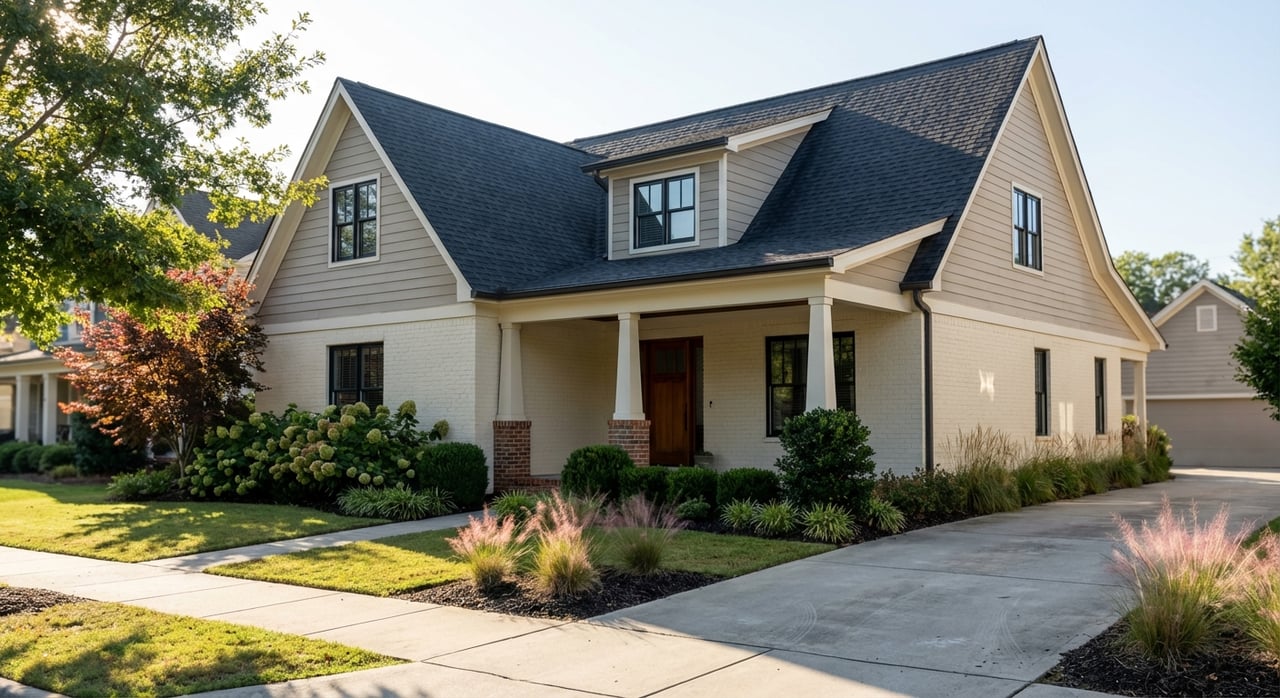
- Elevate curb appeal: tidy landscaping, power wash, refresh the front door, and update house numbers and mailbox for a cleaner first impression.
- Keep scope aligned with local expectations so you invest where buyers care most.
2–3 weeks before listing: stage and prep for photos
- Decide your staging approach. The living room, kitchen, and primary bedroom deliver the biggest impact. Research from NAR shows staging can reduce time on market and increase offers. See NAR’s report on staging benefits.
- Schedule professional photography and, if appropriate, a 3D or virtual tour after staging is complete. Photos are your first showing.
Final week and launch day: finish strong
- Complete a final deep clean, remove strong scents, and handle last-minute touch-ups.
- Confirm keys, lockbox, and instructions for showings. Aim to be show-ready for the first weekend and for early morning or after-work windows.
What to update first for ROI
Focus on visible, cost-effective projects that improve photos and first impressions.
High-impact wins
- Declutter and deep clean. This is the fastest way to make rooms feel larger and brighter. NAR’s research links staged, tidy spaces with shorter days on market and stronger offers. Reference the NAR staging highlights.
- Fresh neutral paint. A consistent, light palette makes rooms feel newer and more cohesive. It also photographs beautifully.
- Update the front and garage doors. Garage-door replacement frequently appears among top projects for percentage recoup at resale, and it upgrades curb appeal in a single day. For cost context, see this garage door installation cost guide.
- Lighting and hardware refresh. Swapping dated fixtures, faucets, and knobs delivers a design lift without a major remodel. Pair this with focused staging in key rooms to spotlight function and flow.
Smart midrange refreshes
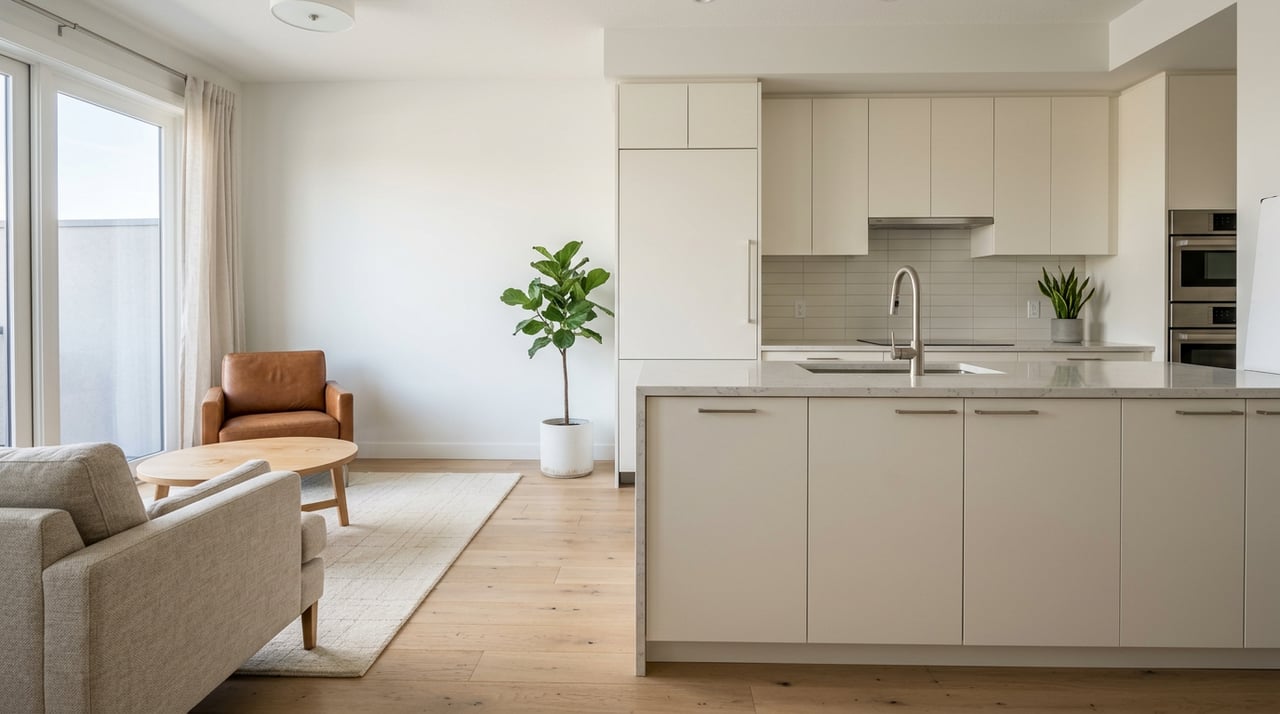
- Kitchen: consider painting or refacing cabinets, a new faucet, updated hardware, and a modest countertop swap if it brings the finish level in line with comparable homes. Minor updates often outperform full gut remodels on percentage return.
- Bathrooms: a new vanity, mirror, lighting, and selective tile updates can shift buyer perception without overspending.
Use caution on large projects
- Major additions, high-end luxury upgrades, or complex landscaping can be costly and do not always recoup well as a percentage. Base those decisions on comparable homes and expected price uplifts in your micro-market. For perspective on renovation ROI tradeoffs, see this appraisal insight on remodel returns.
Staging and photos that resonate with local buyers
- Stage the living room, primary bedroom, and kitchen first. These rooms shape the story buyers see online and in person. NAR’s data shows meaningful benefits for staged listings. Review the NAR report on staging.
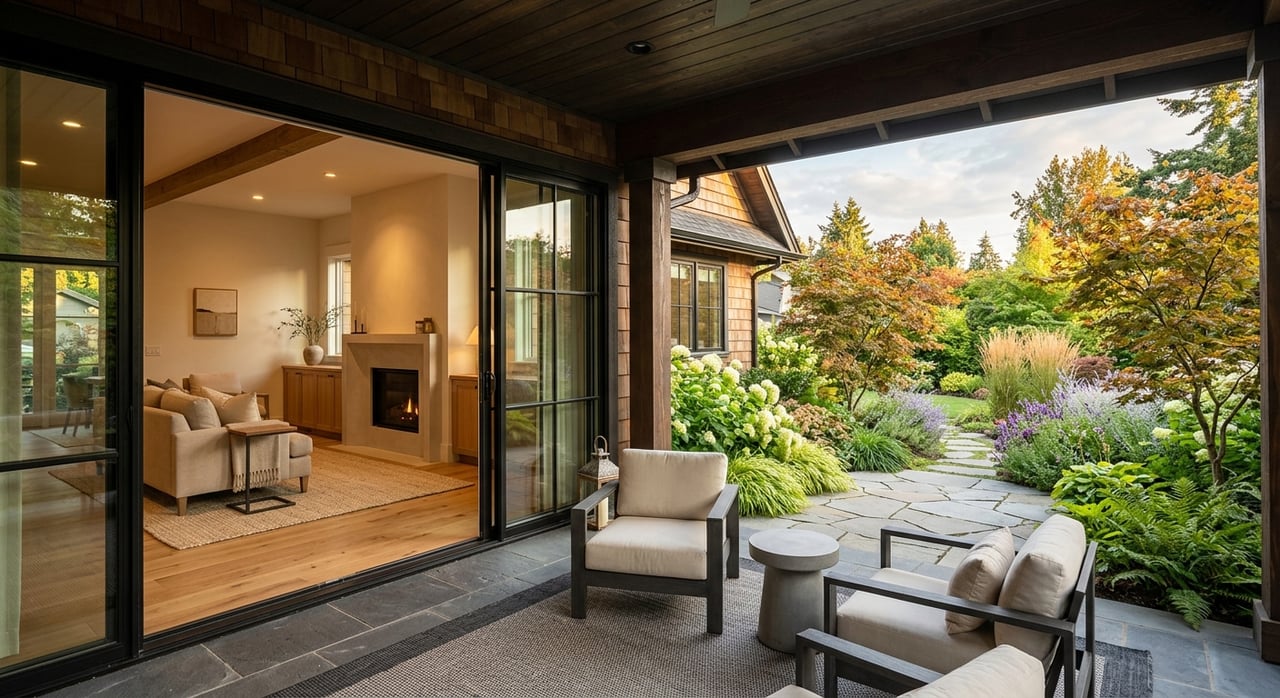
- Lean into neutral, light color palettes, uncluttered layouts, and clear function for each space. Many buyers also value outdoor living, including patios and well-kept lawns. National research highlights the popularity of patios and energy-efficient features among buyers. Explore buyer preference trends.
- Book professional photos and consider a virtual tour to engage relocating buyers. Most buyers start online, so your visuals need to be magazine-clean.
Funding and coordination options
- Concierge-style programs: In markets where these are offered, programs like Compass Concierge can front approved costs for services such as painting, flooring, landscaping, and staging, with repayment typically collected at closing. Learn how the model works in this Inman overview. Program caps, eligible services, and timing can vary, and terms can change over time. See additional context on program adjustments in this Inman update. Always review the current agreement with your agent so you understand approvals, repayment timing, and any fees in your market.
- Alternatives: If concierge is not available or not the right fit, consider a HELOC, a small personal loan, or paying out of savings. Compare total cost, timeline, and whether vendor coordination is included.
Quick room-by-room checklist
Use this to guide your punch list in the final month.
Exterior and entry
- Power wash siding, walkway, and driveway.
- Refresh mulch, edge beds, prune shrubs, and remove dead growth.
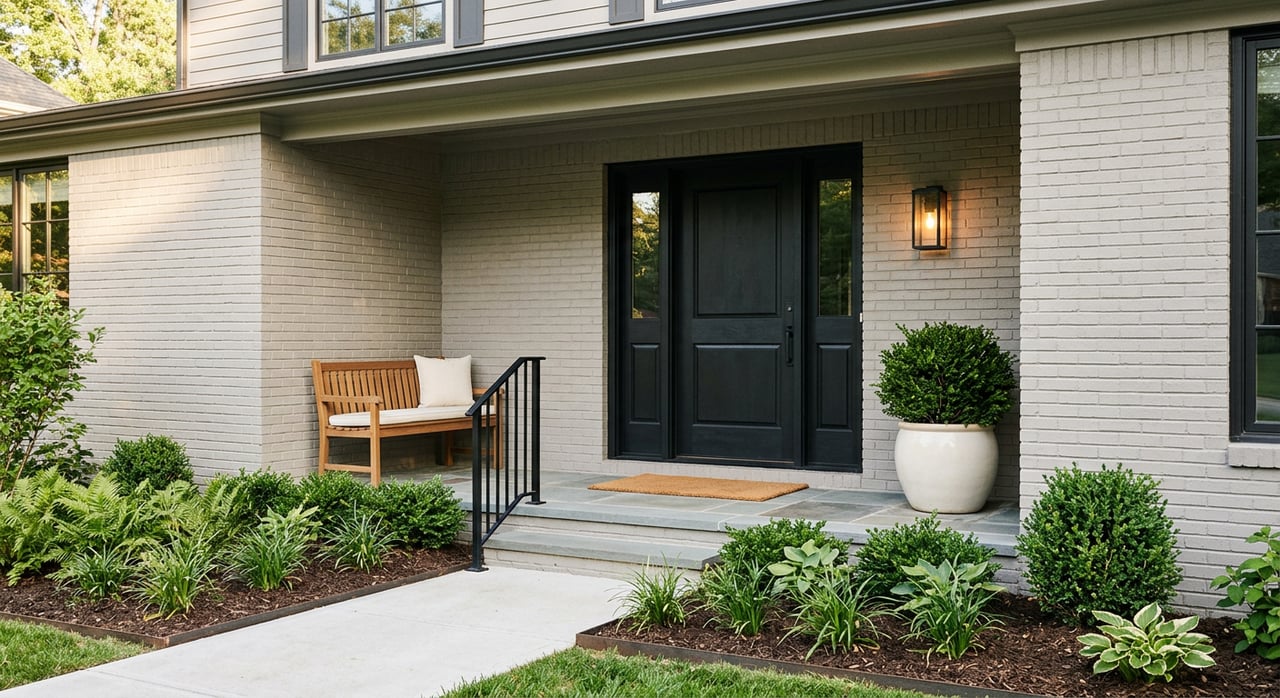
- Repaint the front door and replace or polish hardware. Update house numbers and mailbox.
- Replace worn doormats and add simple, healthy planters.
Living areas
- Remove extra furniture to open traffic flow.
- Repaint in a light, neutral shade if walls are scuffed or dark.
- Update ceiling fixtures and add warm, layered lighting.
- Style built-ins and mantels with a few balanced pieces.
Kitchen
- Paint or refinish cabinets if dated. Replace hardware and faucet.
- Declutter counters, leaving only a few clean accents.
- Consider a modest countertop or backsplash refresh if it aligns with comps.
Bathrooms
- Replace a tired vanity, mirror, and lighting for an instant lift.
- Re-caulk and re-grout where needed. Swap dated hardware.
- Use fresh white towels and simple accessories for photo day.
Bedrooms
- Neutral bedding with crisp layers. Declutter nightstands and closets.
- Define a calm, restful feel in the primary suite.
- Remove personal photos and large collectibles.
Whole house
- Deep clean, including windows and baseboards.
- Replace burned-out bulbs and ensure consistent color temperature.
- Tuck away visible cords and child or pet gear for showings.
Pricing, timing, and negotiation tips
- Price to the market you are in today. In a more balanced environment, correct pricing plus great presentation drives traffic and strong early offers.
- Front-load your best look. Aim to be at 100 percent on day one with paint dry, staging complete, and pro photos. First impressions online drive showing volume.
- Be showing-flexible the first week. More access can translate into more offers, which strengthens your position.
Your next steps
If you want a tailored prep plan, room-by-room design guidance, and help coordinating vendors, we are here to make this simple. Our approach blends data, staging expertise, and concierge-style solutions when appropriate so you can list with confidence and sell for a strong price. Ready to get started? Schedule a consultation with Lori Sherry.
FAQs
Is staging worth it for my Williamson County home?
- NAR reports that staging often reduces days on market and can lead to higher offers, especially when you focus on the living room, kitchen, and primary bedroom. See the NAR staging report.
Which updates have the best return before selling?
- Fresh paint, decluttering, lighting and hardware swaps, and curb appeal improvements are reliable wins. Replacing a worn garage door can be a strong value play, as outlined in this garage door cost and value guide.
Should I remodel my kitchen before listing?
- Full luxury remodels rarely recoup as well as targeted refreshes. Focus on cabinet paint or refacing, hardware, faucet, and selective surface updates that align with comparable homes in your neighborhood.
How does a concierge-style program help sellers?
- Concierge programs can front approved costs for cosmetic updates and staging, with repayment typically due at closing. Availability, caps, and terms vary by market, so review the current agreement with your agent. Learn more in Inman’s explainer.
What does staging usually cost?
- National ranges vary by home size and scope. Occupied-home consultations and light staging can start under a few thousand dollars, while full furniture staging for a vacant home can run several thousand. See typical ranges in this staging cost guide.