Wondering what daily life in Davidson County actually feels like once the excitement of a home search wears off? That is a smart question, because this is not a one-note place where every area lives the same way. If you are trying to picture your commute, weekend routine, and neighborhood vibe, this guide will help you understand how Davidson County functions day to day so you can make a more confident move. Let’s dive in.
Davidson County at a glance
Davidson County is the consolidated city-county home of Nashville, with city and county government combined since 1963, according to Metro Nashville. The county covers about 503.7 square miles, and the U.S. Census Bureau estimates its population at 745,904 as of July 1, 2025.
That scale matters when you are deciding where to live. Davidson County is not one uniform experience. Instead, you will find a mix of high-energy urban districts, historic pockets, and quieter residential areas that can feel very different from one another.
What commuting looks like
For many people, commuting is still a big part of everyday life in Davidson County. Metro’s Know Your Community report shows that 68.3% of workers drove alone, 8.2% carpooled, and 18.3% worked from home.
The same report puts the county’s mean commute time at 24.8 minutes. It also found that 84.6% of workers stayed in the county for work, while 14.3% worked outside the county. In simple terms, many residents still rely on a car, but a large share also work locally or remotely.
Driving is still the default
If you are moving to Davidson County, it is fair to expect a car-friendly lifestyle in many areas. Countywide, public transit use remains limited, with 1.6% of workers using transit, 1.9% walking, and 1.7% using taxi, motorcycle, bicycle, or another method, based on the same Metro report.
That said, your daily routine can look very different depending on where you live. Some areas closer to downtown offer more walkability and easier access to dining, events, and services, while more residential pockets tend to involve more driving for errands and commuting.
Transit options are expanding
If transit matters to you, Davidson County does have options, and those options are changing. WeGo Public Transit includes local buses, regional buses, Access paratransit, WeGo Link, and the WeGo Star commuter rail.
The WeGo Star includes stations like Riverfront, Donelson, and Hermitage, along with outlying stops such as Mt. Juliet and Lebanon. Some stations also offer free park-and-ride lots, which can help if you want to combine driving with transit.
Metro’s Choose How You Move initiative also points to future changes, including 86 miles of sidewalks, signal timing improvements at two-thirds of city intersections, and expanded bus frequency and service hours. If you are planning for the long term, it is worth knowing that transportation in Davidson County is actively evolving.
Culture changes by area
One of the biggest reasons people are drawn to Davidson County is variety. Your daily life can feel event-heavy and fast-paced in one part of the county, then quiet and neighborhood-focused just a few miles away.
That mix gives buyers and sellers a lot to think about. It also means your best fit depends less on the county as a whole and more on how you want your day-to-day routine to feel.
Downtown and nearby districts
If you want easy access to nightlife, live music, restaurants, and major events, the urban core offers the clearest fit. Visit Music City describes Lower Broadway as the heart of downtown, known for live music, food, sports, and hotels.
Nearby SoBro adds convention activity, restaurants, live music venues, hotels, and the Schermerhorn Symphony Center. The Gulch is known as a highly walkable district with high-rise condos, murals, breweries, shops, and dining, while Midtown and Wedgewood-Houston bring their own mix of activity, from parks and university adjacency to galleries, studios, restaurants, distilleries, and breweries.
For some buyers, that means a lifestyle built around being close to the action. For others, it may feel a little too busy for everyday living. The key is understanding whether you want your home base to be part of the energy or a retreat from it.
Historic and locally rooted areas
If you want a strong sense of character, Davidson County has several areas known for historic fabric and local business districts. East Nashville is described as culturally diverse and eclectic, with historic homes, restaurants, coffee shops, vintage stores, and a creative identity.
Germantown blends historic character with museums, boutiques, and restaurants. Areas like 12South, Green Hills, and Berry Hill each bring a distinct daily rhythm as well, whether that means a compact commercial strip, a more retail-oriented routine, or a smaller pocket with independent shops and music-related businesses.
Quieter residential routines
If your ideal day includes a little more breathing room, some parts of Davidson County lean more residential. Sylvan Park is described as quaint, quiet, and largely residential, with locally owned restaurants and greenway access nearby.
Donelson and Hermitage sit about 10 miles east of downtown and are connected to the airport corridor, Percy Priest Lake, Old Hickory Lake, and Andrew Jackson’s Hermitage. Bellevue is presented in official materials as nature-oriented, with Warner Park and river access nearby. These areas often appeal to people who want access to Nashville without feeling like they live in the center of it.
Outdoor life is part of daily living
Davidson County is not just about buildings, restaurants, and entertainment. Outdoor access is a real part of how many residents spend their time. According to Metro Parks’ 2025 infographic, the county has 185 parks, 200+ miles of trails and greenways, 19 river access points, and more than 25 miles of mountain bike trails.
That is a meaningful quality-of-life factor if you want your routine to include walks, runs, cycling, paddling, or simply more green space. It also helps explain why some neighborhoods feel so connected to parks and outdoor recreation.
Signature parks and greenways
A few major parks help show what that looks like in real life. Centennial Park is a 132-acre urban park with the Parthenon, a one-mile walking trail, Lake Watauga, a dog park, and the Centennial Sportsplex.
The Warner Parks span more than 3,100 acres and sit about 9 miles from downtown, with Metro noting that close to a million people visit annually. Shelby Bottoms is a 935-acre natural area park with a 6.4-mile greenway that connects to other greenway segments, making it a major outdoor asset for residents who want trail access as part of everyday life.
Housing feels different by neighborhood
When buyers ask what housing is like in Davidson County, the most honest answer is that there is no single countywide housing style. The Census QuickFacts report 382,559 housing units, a 52.8% owner-occupied housing rate, a median owner-occupied home value of $417,400, and a median gross rent of $1,582.
The county also includes homes from many different eras. Metro’s housing table shows inventory built across a wide range of years, from newer homes to housing built before 1940. That contributes to a market where your options can vary widely depending on the area you choose.
Matching home type to lifestyle
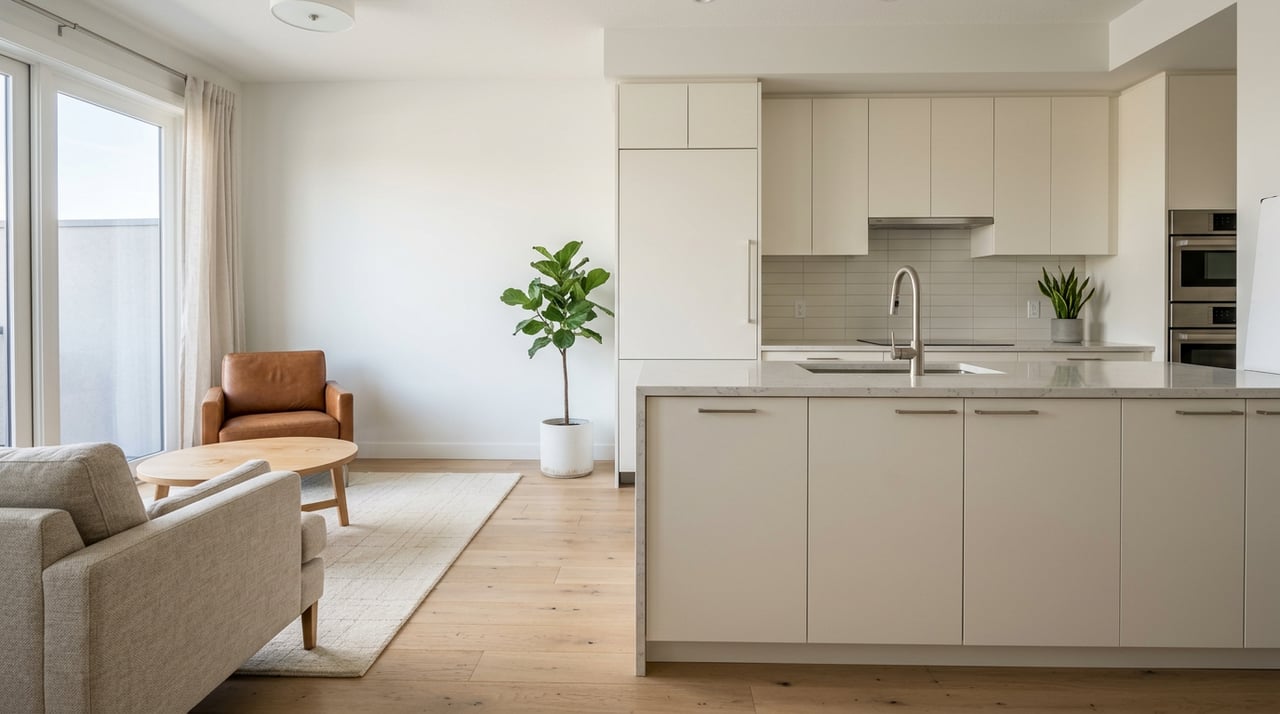
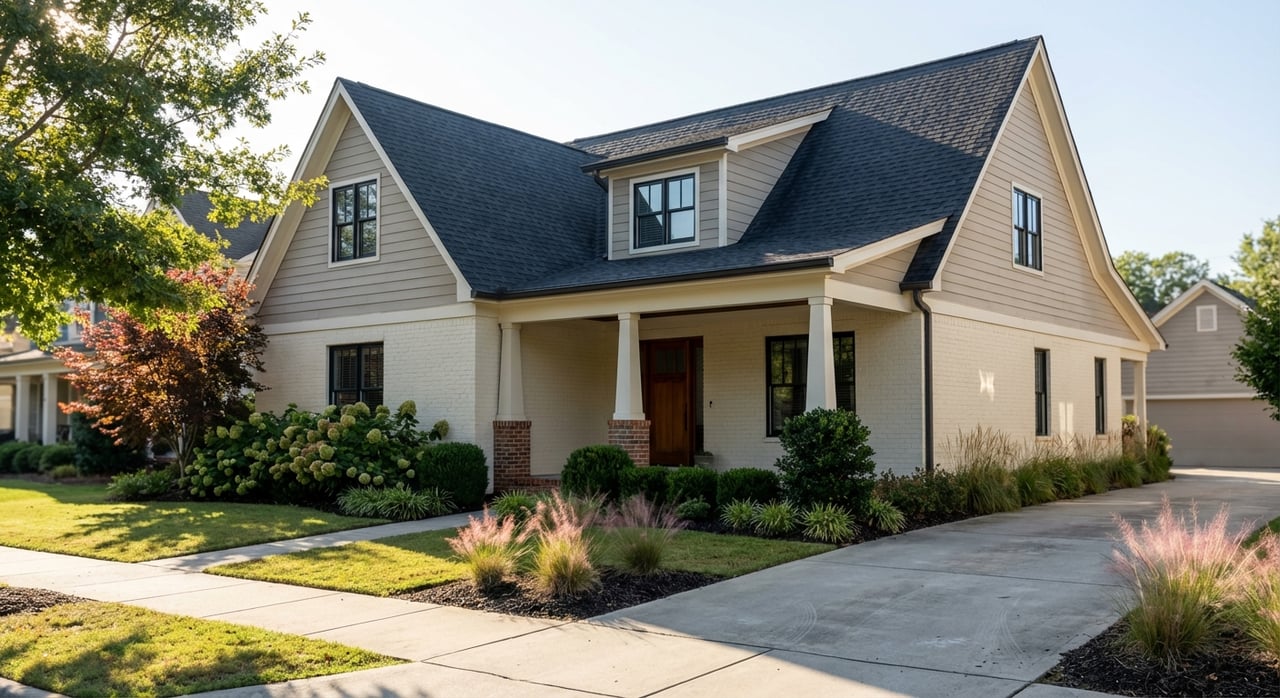
In broad terms, denser condo and apartment living tends to line up more with downtown and The Gulch. Historic homes and infill opportunities are more associated with places like East Nashville and Germantown, while lower-density residential patterns are more often found in areas such as Sylvan Park, Donelson, Hermitage, and Bellevue.
For buyers, this means your home search should start with lifestyle priorities, not just price or square footage. For sellers, it reinforces why neighborhood-specific positioning matters so much. How your home lives in its immediate setting often shapes how buyers respond to it.
How to choose your best fit
If you are trying to narrow down where to live in Davidson County, it helps to focus on your real routine instead of an idealized one. Think about where you work, how often you want to drive, whether you want walkable access to dining and events, and how important parks or greenways are to your week.
A few good questions to ask yourself include:
- Do you want to be close to nightlife and major events, or close enough to enjoy them occasionally?
- Is a shorter or simpler commute one of your top priorities?
- Would you rather have a condo, townhome, historic home, or lower-maintenance single-family setup?
- How important is access to trails, parks, or lakes?
- Do you want a highly active street scene or a quieter residential feel?
These questions can save you time and help you compare neighborhoods in a more practical way. They also make it easier to move from “Davidson County sounds appealing” to “this part of Davidson County feels right for me.”
What this means for buyers and sellers
For buyers, Davidson County offers real variety, but that variety can feel overwhelming without local guidance. A short drive can completely change your daily experience, from commute patterns to housing style to how often you can walk to the places you enjoy.
For sellers, understanding how buyers view daily living in your specific area is just as important. Presentation, pricing, and marketing should connect your home to the lifestyle it supports, whether that means urban convenience, historic charm, outdoor access, or a more residential routine.
If you are weighing a move in Davidson County, we can help you think through the practical side of the decision, from neighborhood fit to timing, pricing, and next steps. When you are ready, connect with Lori Sherry for clear, personalized guidance on buying or selling in the greater Nashville area.
FAQs
What is the average commute time in Davidson County, TN?
- Metro’s 2026 Know Your Community report lists the mean commute time in Davidson County as 24.8 minutes.
Is Davidson County, TN mostly car-dependent?
- At the county level, yes. Metro reports that 68.3% of workers drove alone, although some central neighborhoods are more walkable than the county average.
What Davidson County neighborhoods feel most urban?
- Official neighborhood materials point to Downtown, SoBro, The Gulch, Midtown, and Wedgewood-Houston as some of the clearest matches for a more urban, event-heavy lifestyle.
What Davidson County areas feel more residential?
- Official descriptions suggest that Sylvan Park, Donelson, Hermitage, Bellevue, and Berry Hill tend to offer a quieter, more residential day-to-day feel.
Does Davidson County, TN have good parks and trails?
- Yes. Metro Parks reports 185 parks, 200+ miles of trails and greenways, 19 river access points, and more than 25 miles of mountain bike trails countywide.
What types of homes are common in Davidson County?
- Housing varies by area, with denser condos and apartments in some urban districts, historic homes and infill in older neighborhoods, and lower-density residential options in quieter pockets of the county.