If you’re trying to decide between city energy and a little more breathing room, Davidson County gives you both. This is not a simple urban-or-suburban choice, because the county includes everything from compact, walkable neighborhoods near the core to quieter residential areas with larger lots and more open space. If you’re buying, selling, or relocating, understanding those differences can help you choose the right fit for your daily life. Let’s dive in.
Davidson County offers both lifestyles
Davidson County is big enough to support very different ways of living. The county covers 503.5 square miles and had an estimated 2024 population of 729,505, so it includes a wide range of neighborhood patterns rather than one single feel.
Metro Nashville’s land use planning reflects that variety. Its 14 Community Plans help guide how different parts of the county balance residential, commercial, office, and open space uses, which is one reason two areas inside the same county can feel very different.
That difference often shows up in your routine. The county’s mean travel time to work is 24.7 minutes, which is a useful reminder that where you live still shapes how you spend your time each day.
What urban living looks like
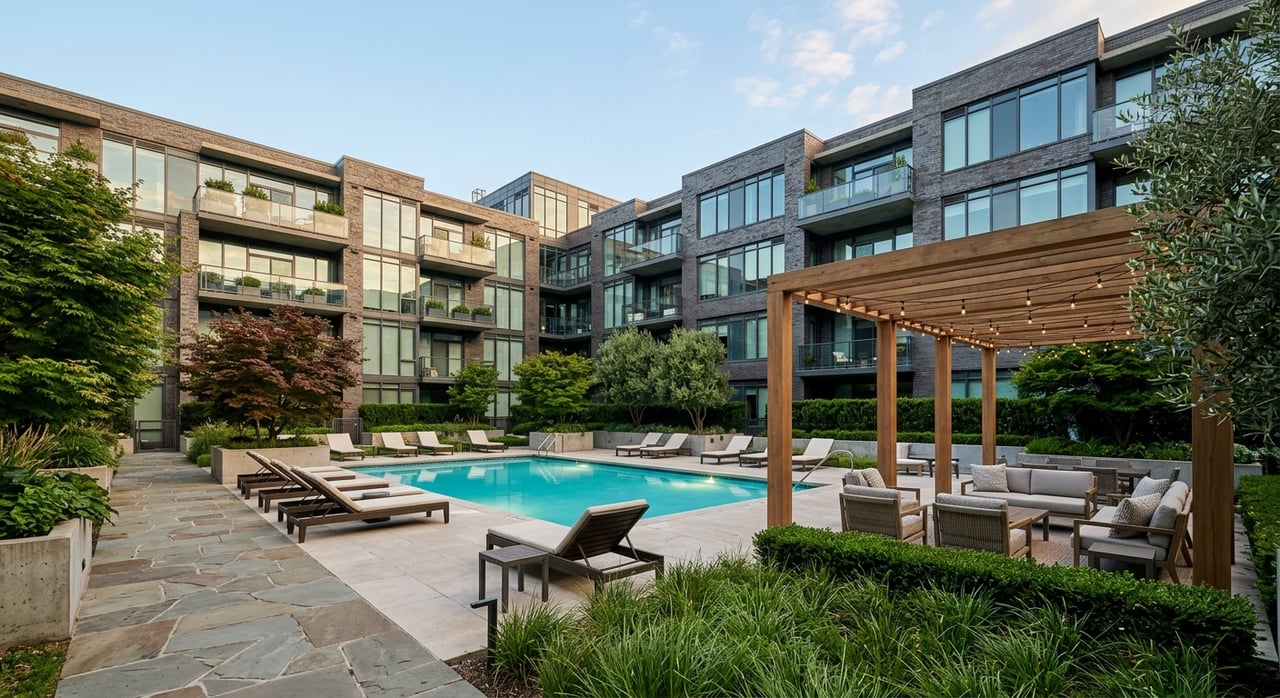
In Davidson County, urban living usually means a more compact environment with a stronger mix of homes, businesses, and public spaces nearby. Metro describes Downtown as the county’s most intense urban setting and the seat of state and local government, with cultural, sports, and entertainment destinations concentrated in the core.
Metro also identifies places like East Nashville, Edgehill, Germantown, and Hillsboro-West End as classic complete urban neighborhoods. These areas tend to include mixed housing types, smaller lots, and commercial destinations and open space within walking distance of homes.
For many buyers, that translates into a lifestyle built around convenience and activity. You may be closer to restaurants, parks, transit connections, and entertainment, with more happening at street level throughout the day.
Common urban features
If you’re drawn to urban areas in Davidson County, you may be looking for:
- Walkability for daily errands or outings
- Mixed-use blocks with homes near shops and services
- Smaller lots and more compact housing patterns
- Condo, townhome, or lower-maintenance living options
- Easier access to entertainment, events, and downtown destinations
East Nashville’s planning documents also support more pedestrian- and transit-oriented corridors. Nashville’s greenway system adds another layer, with a planned 23-mile urban loop around the core that connects transit stops, bikeways, neighborhoods, schools, parks, and business districts.
What suburban living looks like
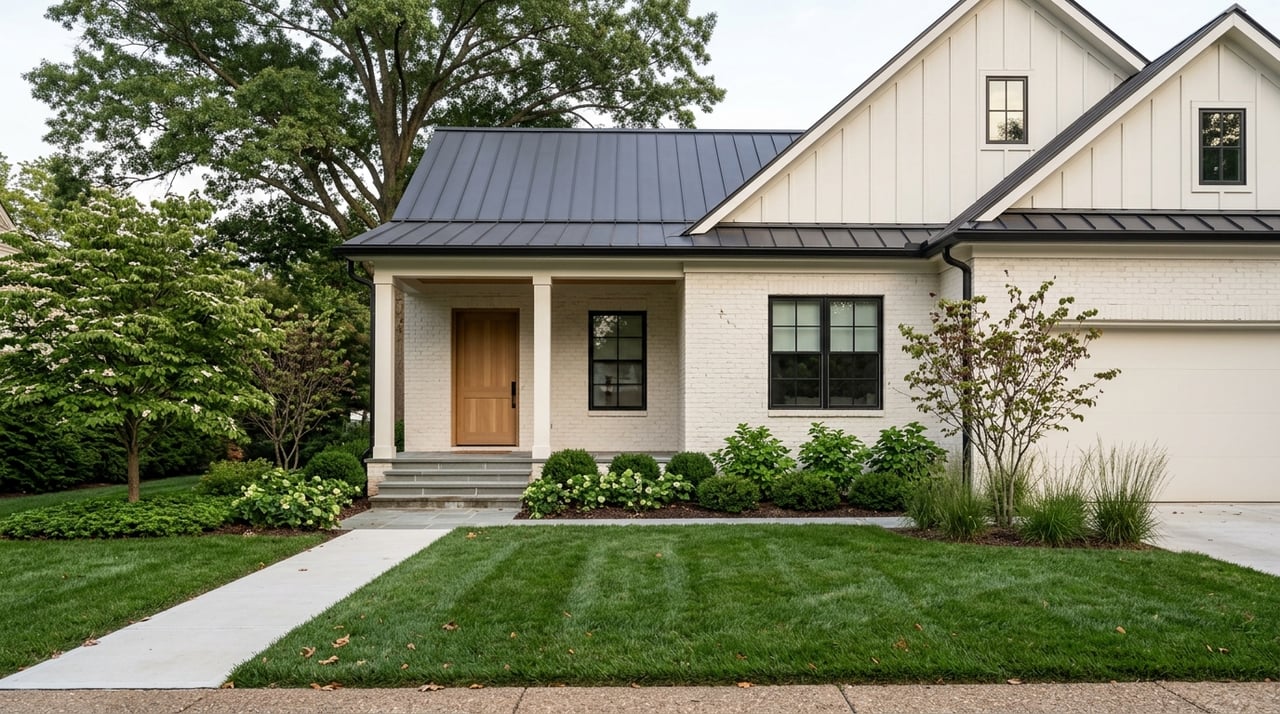
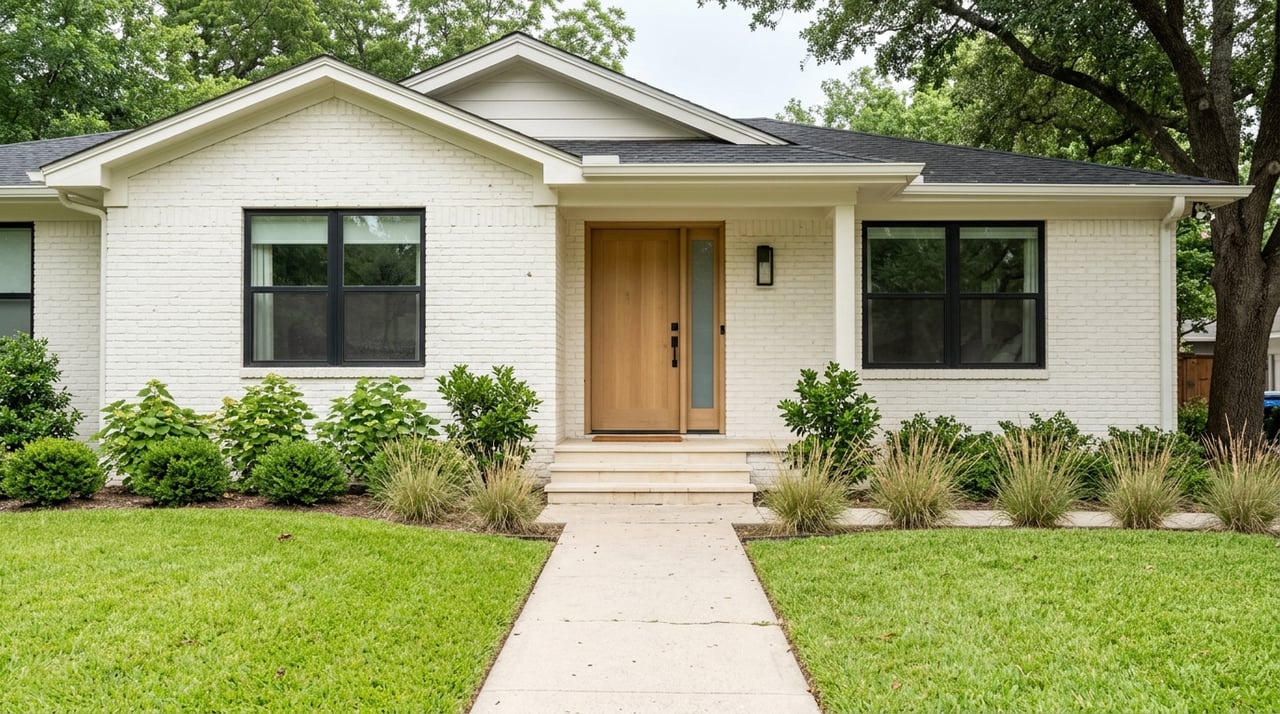
Suburban living in Davidson County usually feels more spread out. Metro’s planning guidance describes suburban areas as places where larger lots, moderate connectivity, and open space play a bigger visual role than a tight mixed-use street grid.
Bellevue is one clear example. Metro describes it as primarily suburban and rural residential, with its distance from downtown and proximity to rural counties helping shape its character.
The Donelson-Hermitage-Old Hickory area shows a different version of suburban life. There, older suburban residential development exists alongside major retail and employment centers, newer housing, and substantial park and green space.
Common suburban features
If suburban living sounds more like your pace, you may be looking for:
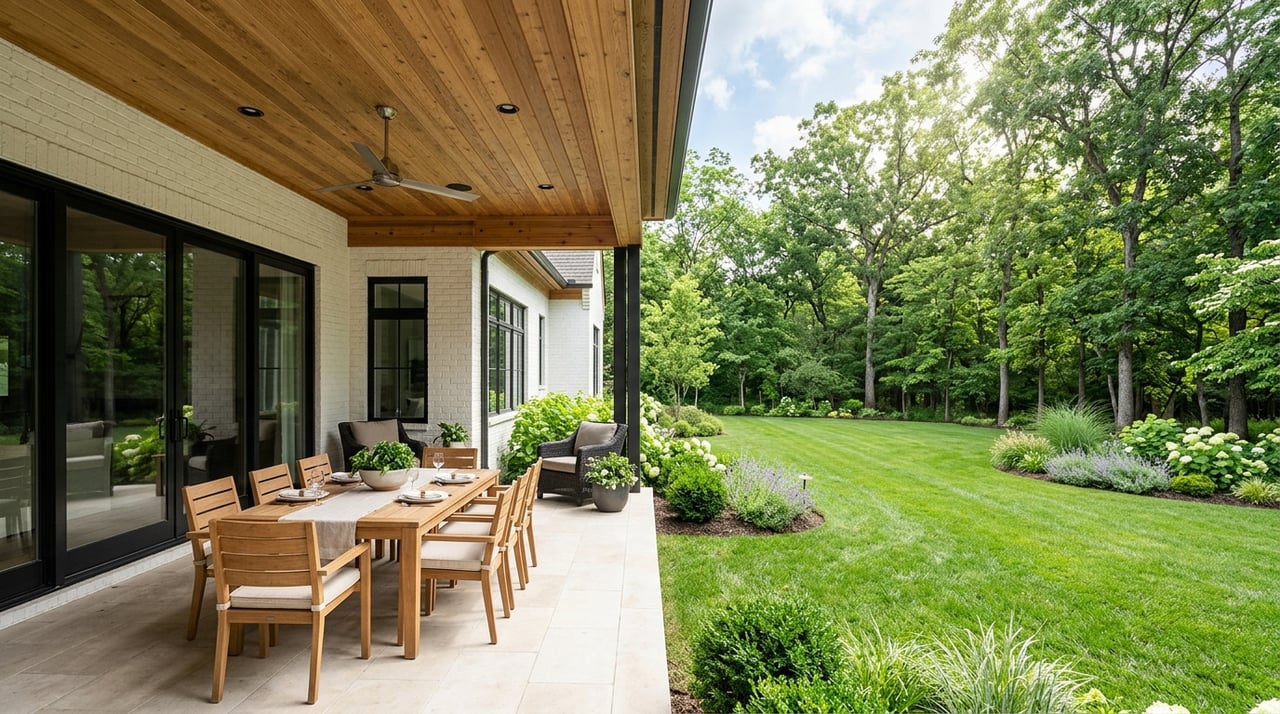
- More space inside and outside the home
- Larger lots and more yard-oriented housing
- A quieter residential setting
- More separation between homes, shopping, and office areas
- A routine that often involves more driving between stops
Metro’s planning manual points to areas such as West Meade, parts of Madison, parts of Donelson, Crieve Hall, and Bellshire as classic suburban examples. That does not mean every block feels the same, but it helps show how suburban patterns appear across the county.
The biggest difference is your daily routine
When buyers compare urban versus suburban living, the real question is often not style alone. It is how you want your everyday life to work.
In more urban parts of Davidson County, you may spend less time getting in and out of the car for every outing. Your home may be closer to restaurants, parks, work hubs, or entertainment, and the neighborhood may feel more active throughout the day and evening.
In more suburban areas, you may trade some of that convenience for added space and a quieter residential feel. Your errands may involve more driving, but you may prefer the extra separation from busier corridors and the visual openness that comes with larger-lot development.
Transit and commute tradeoffs matter
A lot of people assume suburban automatically means disconnected, but that is not always the case in Davidson County. Some suburban areas still offer useful transit connections to downtown and other hubs.
For example, WeGo Star serves the East Corridor to and from downtown Nashville on weekday mornings and afternoons. Route 6 Lebanon Pike connects the Donelson and Hermitage stations, which adds another transportation option for residents in that part of the county.
WeGo is also building a new Donelson Transit Center. According to WeGo, it will add bus service and improve pedestrian connections while maintaining park-and-ride access.
Bellevue has its own practical options too. Free Park & Ride lots are served by routes 3B, 70, and 88, and Bellevue is a WeGo Link transfer zone.
Questions to ask about commute and access
Before you choose a neighborhood, think through questions like:
- How often do you need to go downtown?
- Do you want to walk to some daily destinations?
- Are you comfortable driving for most errands?
- Would park-and-ride or commuter rail options help your routine?
- Do you want quicker access to greenways, parks, or business districts?
These answers often point you toward the right part of Davidson County faster than the urban or suburban label alone.
There is a middle ground
One of the most important things to know about Davidson County is that many areas blend both patterns. You can find neighborhoods that feel more residential but still offer good access to major corridors, retail, parks, or transit.
That is why broad labels only go so far. In practice, the better comparison is often between specific micro-neighborhoods, not just urban versus suburban as a whole.
Metro’s community-plan system is built around that neighborhood-by-neighborhood variation. For you as a buyer or seller, that means the right choice may come down to one pocket of a community rather than the entire area’s general reputation.
How buyers can choose the right fit
If you’re buying in Davidson County, start with your routine before you start with the home itself. A beautiful property can still feel wrong if the location does not support the way you actually live.
A helpful way to narrow your search is to rank your priorities. Think about which matters most right now: space, convenience, lower-maintenance living, proximity to entertainment, easier commuting, or a calmer residential pace.
A simple buyer checklist
Use this quick checklist to clarify your direction:
- Choose urban leaning if you want: walkability, mixed-use surroundings, compact living, and quick access to downtown-style amenities
- Choose suburban leaning if you want: more space, larger lots, a quieter setting, and more separation between daily destinations
- Choose a hybrid area if you want: a balance of residential comfort and practical access to transit, retail, parks, or major roads
For relocators especially, this step matters. Davidson County has enough variety that two homes with similar price points can offer very different lifestyle experiences depending on where they sit.
How sellers can position their home
If you’re selling, understanding whether your home appeals to an urban, suburban, or hybrid buyer can shape how you present it. Buyers are not just comparing square footage. They are comparing lifestyle.
For an urban-leaning property, buyers may respond to low-maintenance living, proximity to destinations, and convenience. For a suburban-leaning property, they may focus more on space, lot size, open areas, and day-to-day comfort.
This is where thoughtful presentation matters. Clean staging, smart layout choices, and clear marketing can help buyers picture how the home supports the lifestyle they want.
At Sold by the Sherry’s, we take a calm, step-by-step approach to that process. With Lori’s design and staging background, we help sellers highlight the features that fit how buyers live, not just how a home looks in photos.
Urban versus suburban is personal
There is no one right answer in Davidson County. The better choice is the one that matches your routine, your priorities, and the kind of environment that feels right when you come home.
Some buyers want the activity and convenience of a complete urban neighborhood. Others want more space, more open surroundings, and a quieter residential rhythm. Many want something in between.
When you look closely at Davidson County, the good news is that you do not have to force your decision into a simple binary. You can find a neighborhood that fits the way you want to live today and still supports where you’re headed next.
If you’re weighing urban versus suburban living in Davidson County, Lori Sherry can help you compare neighborhoods, narrow your options, and move forward with clear, steady guidance.
FAQs
What does urban living in Davidson County usually mean?
- Urban living in Davidson County usually refers to more compact neighborhoods with mixed housing types, smaller lots, and destinations like shops, parks, and services within walking distance.
What does suburban living in Davidson County usually mean?
- Suburban living in Davidson County usually refers to areas with larger lots, more open space, a quieter residential feel, and more driving between home, errands, and other destinations.
Which Davidson County areas are commonly described as urban?
- Metro identifies Downtown, East Nashville, Edgehill, Germantown, and Hillsboro-West End as examples of complete urban neighborhoods.
Which Davidson County areas are commonly described as suburban?
- Metro planning materials describe Bellevue as primarily suburban and rural residential, and point to areas such as West Meade, parts of Madison, parts of Donelson, Crieve Hall, and Bellshire as classic suburban examples.
Can you find transit options in suburban Davidson County?
- Yes. Examples include WeGo Star service in the East Corridor, Route 6 Lebanon Pike connections in Donelson and Hermitage, and Park & Ride options in Bellevue.
Is Davidson County strictly urban or suburban?
- No. Davidson County includes a mix of urban, suburban, and in-between neighborhood patterns, so many buyers benefit from comparing specific micro-neighborhoods instead of relying only on broad labels.